
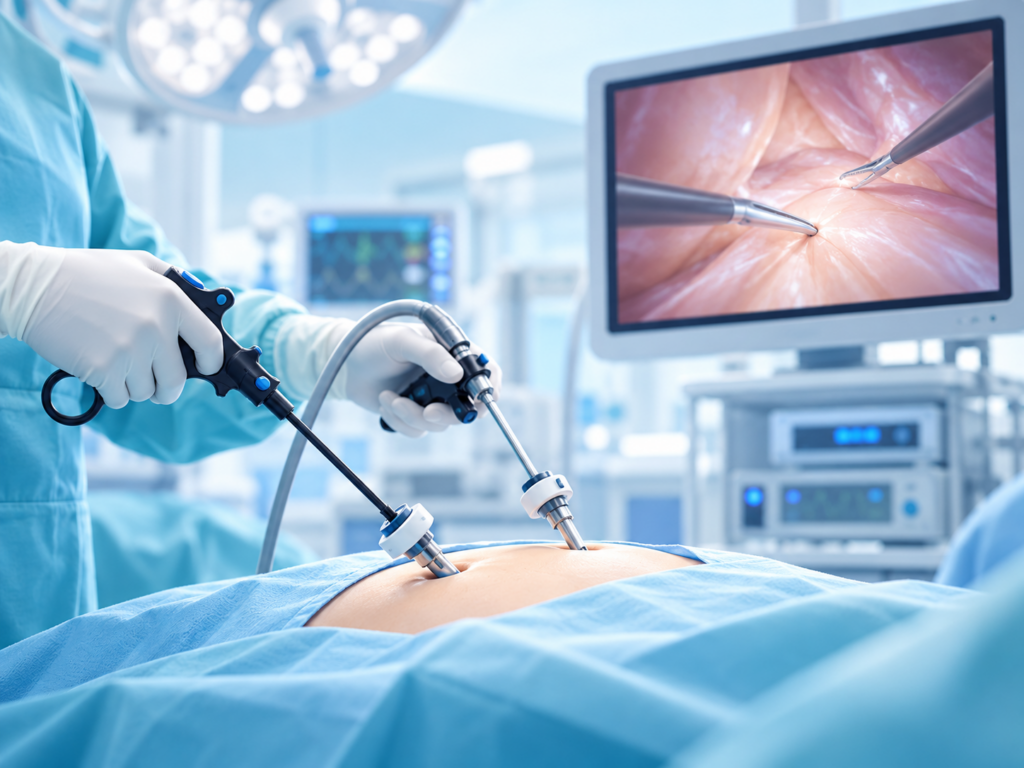
Advanced Laparoscopic Surgery
Evaluation and surgical care for selected abdominal conditions using minimally invasive techniques.
Explore laparoscopyFrom abdominal pain and hernia to obesity, anal conditions, digestive symptoms and varicose veins—explore your options and make an informed decision about treatment. Choose the symptom closest to your concern. The next page explains possible causes, warning signs and when medical assessment may be needed. Learn about piles, fissures and other causes of rectal bleeding. Sharp anal pain, burning or discomfort with bowel movements. Swelling, abscesses, discharge or a persistent opening near the anus. Explore gallstones and other conditions that may need investigation. Learn about inguinal, umbilical and incisional hernias. Medical, endoscopic and surgical options for obesity care. Understand when an upper GI endoscopy or colonoscopy may help. Symptoms, venous Doppler and treatments for varicose veins. Persistent, severe or worsening symptoms need clinical evaluation. Sudden chest pain, breathlessness, severe bleeding or rapidly worsening illness require urgent medical care. Learn about the condition first, then compare medical, minimally invasive and surgical treatment options when appropriate. Evaluation and surgical care for selected abdominal conditions using minimally invasive techniques. Assessment of medical, endoscopic and surgical weight-management options according to individual needs. Assessment and treatment of anorectal conditions, from conservative measures to selected laser-assisted procedures. Upper GI endoscopic and colonic evaluation for selected gastrointestinal symptoms and screening indications. Leg vein assessment, Doppler-based planning and selected laser or injection treatment options. Individualized evaluation of other general surgical conditions and procedures. These conditions can produce overlapping symptoms, but their causes and treatment approaches differ. A clear diagnosis comes before choosing a procedure. Start with the condition, understand whether venous reflux is present, and explore the procedure that best fits the clinical findings. Symptoms, causes, evaluation and when treatment may help. Compression, laser, injections and surgical options. Ultrasound-guided treatment for selected refluxing veins. Injection treatment for selected superficial and residual veins. Wound assessment, compression and addressing venous reflux. Small red or blue surface veins and possible treatments. Why veins may return and when repeat Doppler is useful. Bring your prior reports to discuss potential next steps. Body mass index is one of several measurements used during obesity assessment. It does not independently determine whether a medical, endoscopic or surgical weight-management treatment is appropriate. For adults only. BMI is a screening measure—not a diagnosis or an eligibility decision for bariatric surgery. A straightforward process helps you understand the diagnosis and your available choices. Share the symptoms or condition you want assessed and arrange a consultation. History, examination and investigations are considered when appropriate. Understand conservative management, procedures, benefits, risks and alternatives. Agree on the next step and receive preparation or recovery advice as applicable. Consultant Surgeon · Laparoscopic and Bariatric Surgery Clinical decisions begin with assessment of the patient's condition and treatment goals. Medical management, minimally invasive procedures and conventional surgery each have a role, depending on the diagnosis. Find the right consultation, understand investigation options and prepare for informed decisions about your care. Use the symptom and condition pages to understand common causes and signs that need medical assessment. Medical, endoscopic, minimally invasive and conventional treatments are considered according to the diagnosis. Bring prior reports, imaging, Doppler scans, prescriptions and a current medication list where relevant. No. Whether a procedure is needed depends on the diagnosis, severity, symptoms and individual circumstances. Many conditions have conservative or medical treatment options. No. Treatment differs by condition and anatomy. Many fissures improve with non-operative care, while fistulas usually need procedural assessment; laser is appropriate only for selected cases. Yes. Obesity care begins with evaluation and discussion of lifestyle, medical, endoscopic and surgical options as appropriate. No. Duplex Doppler and clinical assessment help determine whether conservative care, EVLT, sclerotherapy, phlebectomy or another approach is most suitable. These investigations may be recommended for selected gastrointestinal symptoms, alarm features or screening indications after medical evaluation. Bring previous prescriptions, investigations, scans, Doppler reports, procedure records and a current medication list where relevant. Request an appointment to discuss symptoms, investigations and possible treatment options. Understand your options before deciding on the next step.
Surgical care in Borivali West, Mumbai
Care that starts with understanding your symptoms.
Dr Abhinandan JadhavMBBS · MS (General Surgery) · FMAS · DMAS
 Assessment → Options → CareClear explanations and treatment suited to the individual.
Patient-first consultationBegin with symptoms and evaluationMultiple treatment optionsConservative, endoscopic and surgical careFollow-up guidanceUnderstand next steps before treatment
Find your starting point
What problem are you experiencing?
Blood while passing stool
Pain during stools
Recurrent anal swelling
Upper abdominal pain
Lump in groin or abdomen
Weight-management concerns
Acidity or digestive symptoms
Bulging veins or leg heaviness
Services and procedures
Specialized surgical care
Advanced Laparoscopic Surgery
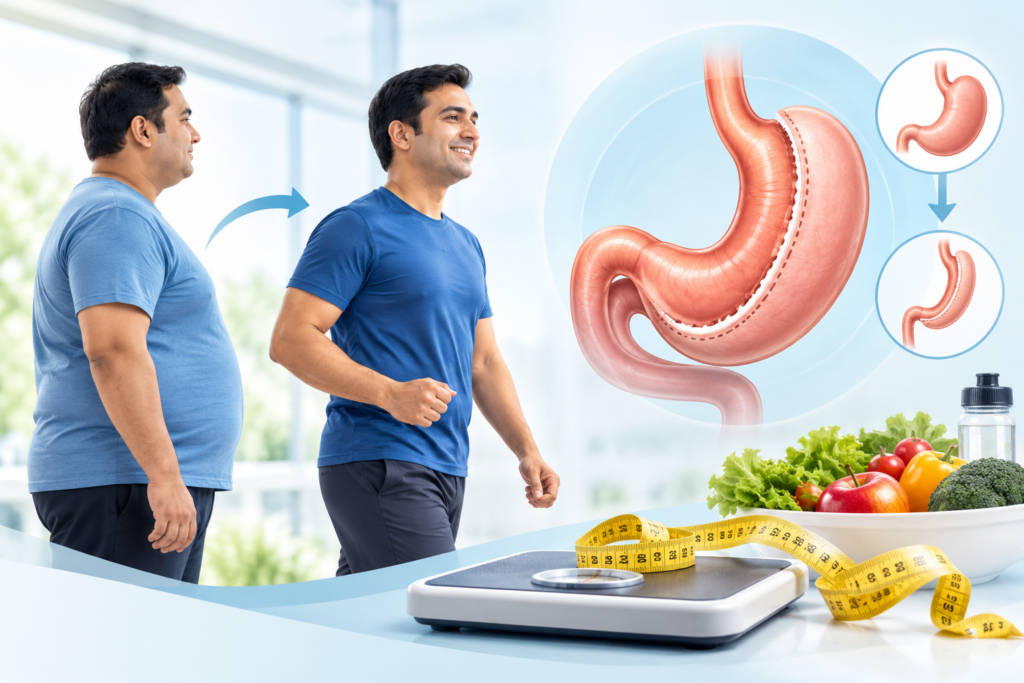
Bariatric & Obesity Care
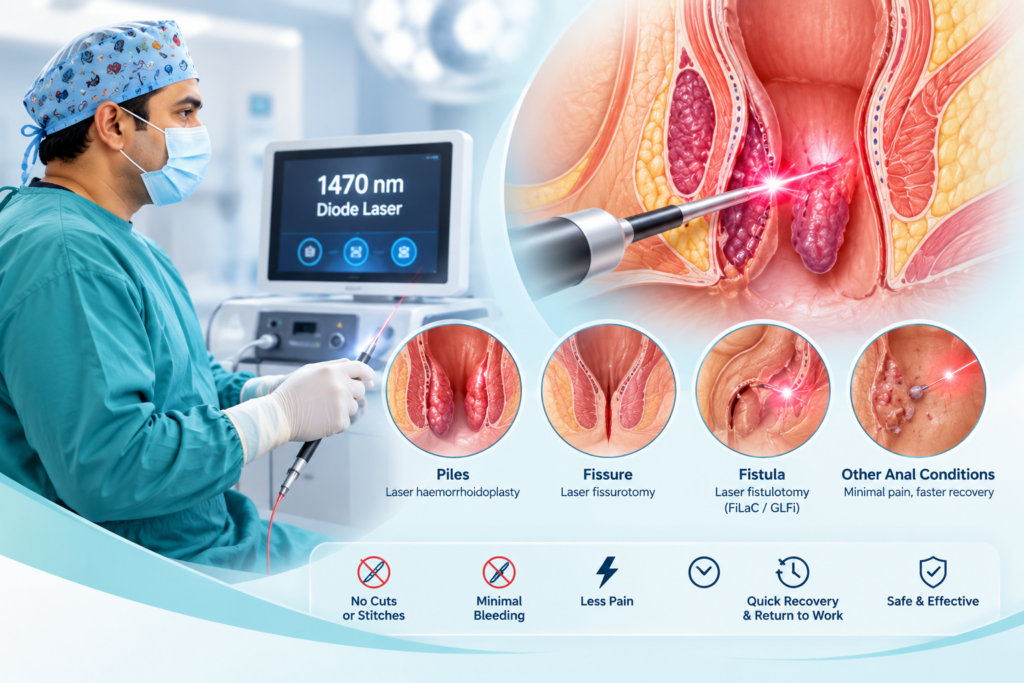
Laser Proctology
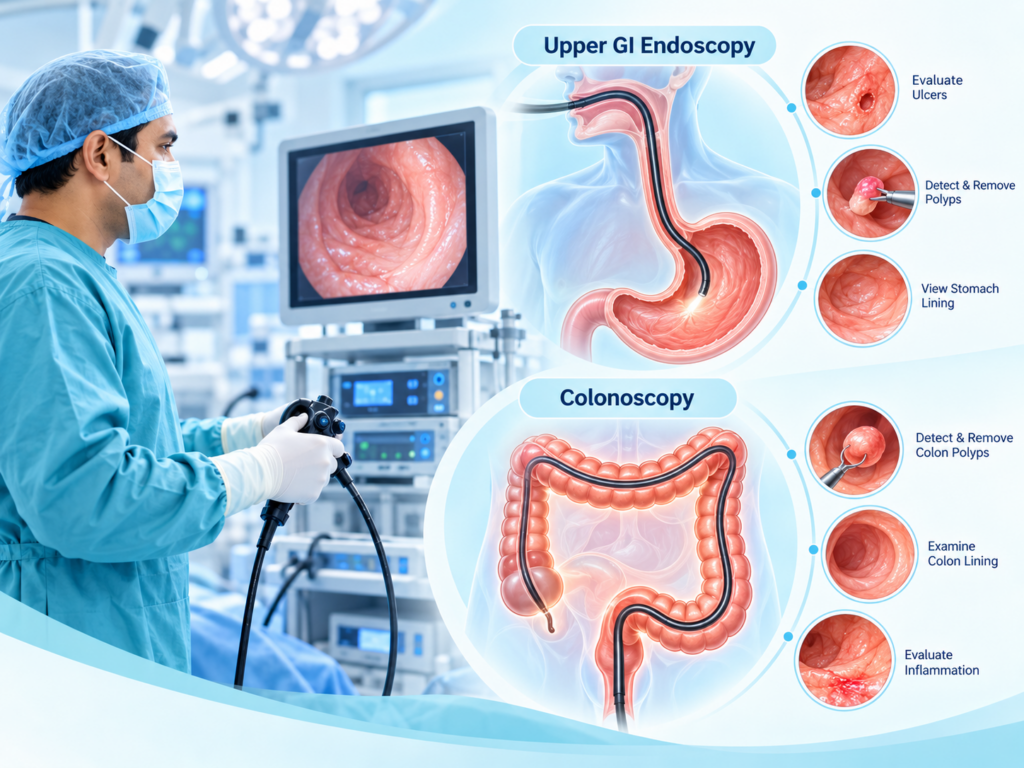
Endoscopy & Colonoscopy
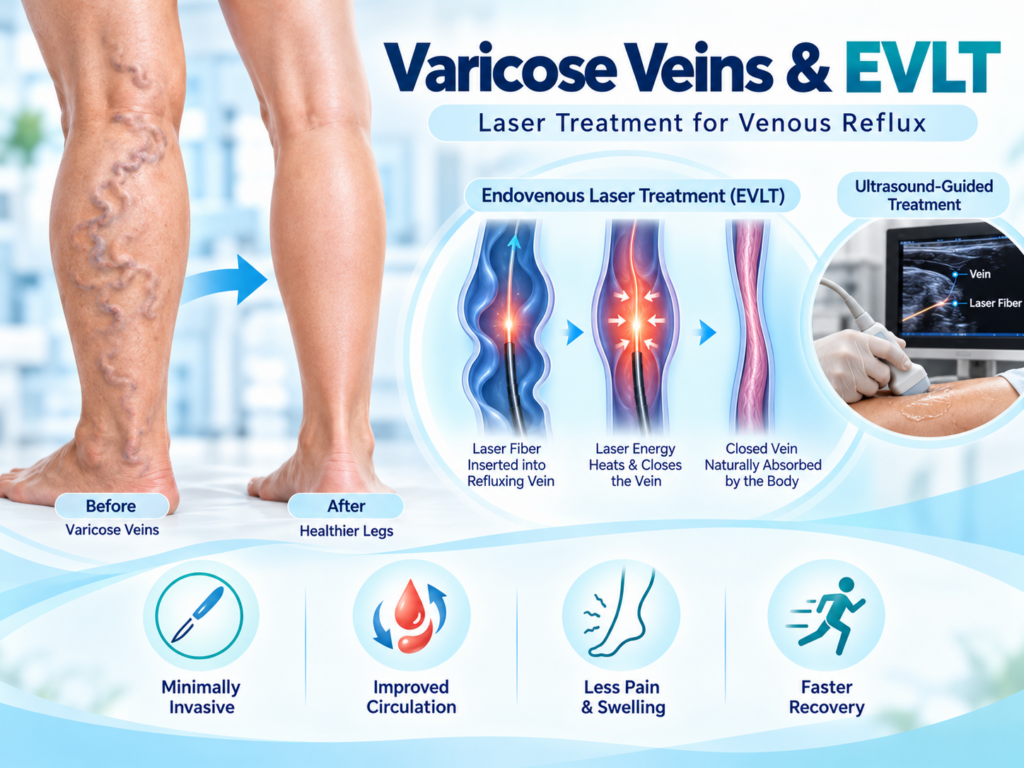
Varicose Veins & EVLT
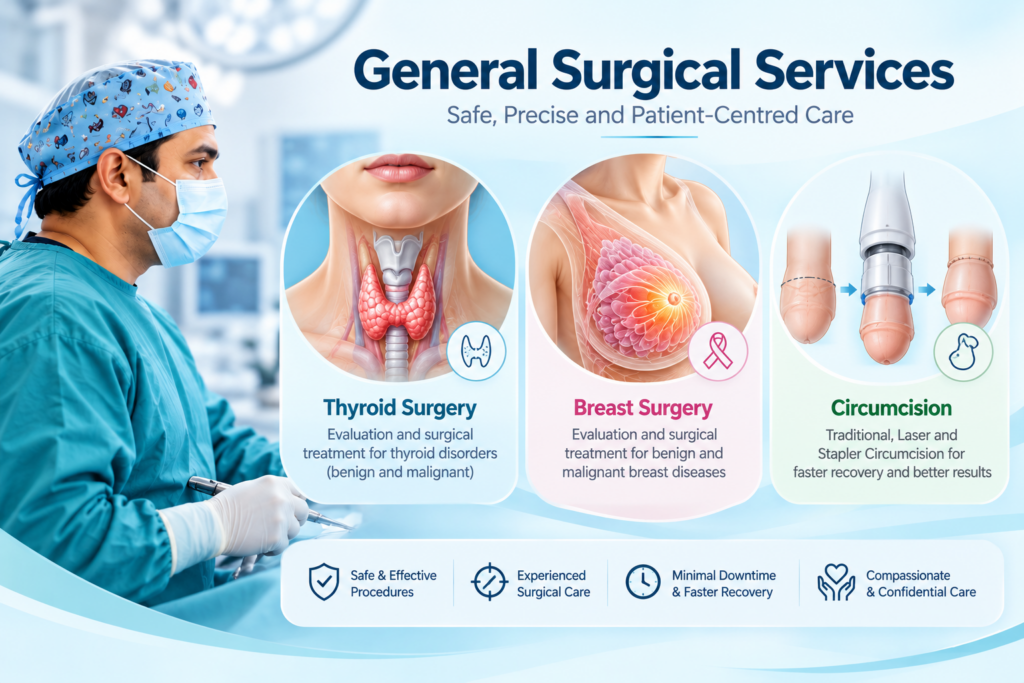
Other Surgical Services
Common anorectal concerns
Piles, fissure or fistula?
Varicose-vein care
From leg-vein symptoms to treatment choices
Varicose Veins
Treatment Overview
Endovenous Laser (EVLT)
Sclerotherapy
Venous Leg Ulcers
Spider Veins
Recurrent Varicose Veins
Doppler Report Review
Obesity and metabolic health
Understand your BMI as a starting point.
Quick BMI calculator
Enter your measurements to see your BMI.
Your treatment pathway
What happens after you get in touch?
01Describe your concern
02Clinical assessment
03Discuss your options
04Plan care and follow-up
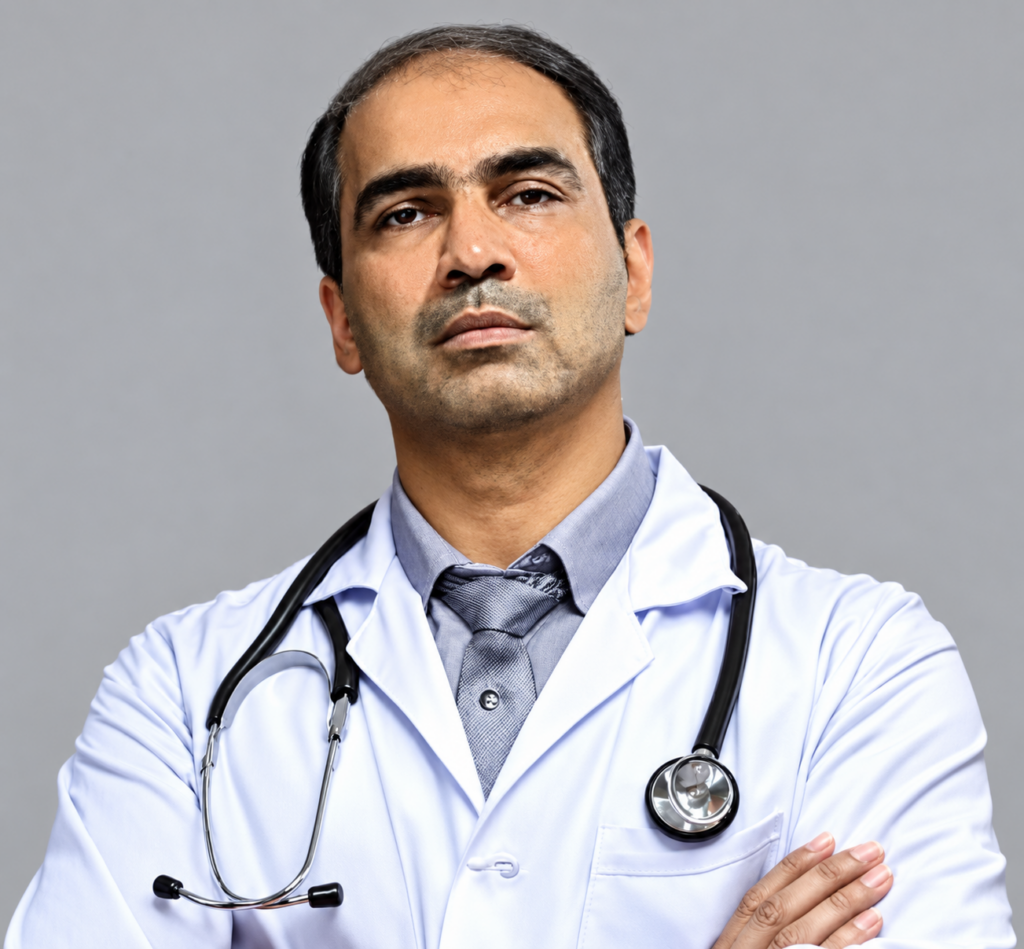 Meet the consultant surgeon
Dr Abhinandan Jadhav
MBBS · MS (General Surgery) · FMAS · DMAS
SAGES (USA) · WALS (UK)
Request Consultation
Before your visit
Practical support at each stage
Start with your symptoms
Discuss suitable treatment options
Prepare for your appointment
Frequently asked questions
Questions before your visit
Do all surgical conditions require an operation?
Are all piles, fissures and fistulas treated with laser?
Can I consult about bariatric treatment without deciding on surgery?
Does every varicose vein need laser treatment?
When might endoscopy or colonoscopy be advised?
What should I bring to a consultation?
Visit or contact the clinic
A clear next step starts here.
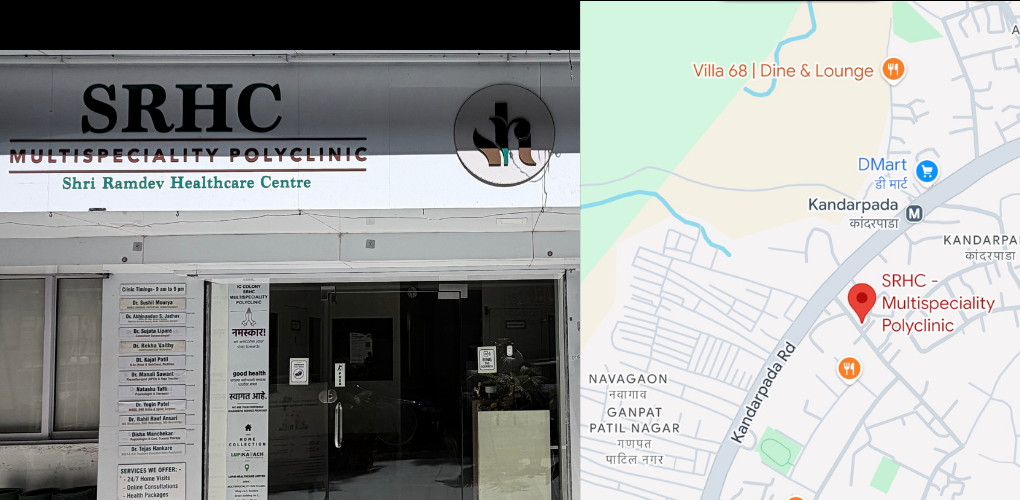
ClinicShri Ramdev Healthcare Center
AddressShop No. 1, Golders Green Building No. 1,
Holy Cross Road, IC Colony,
Borivali West, Mumbai – 400103Clinic phone+91 85913 71535
WhatsApp appointments+91 85306 25353
Open clinic location in Google Maps
 Request a Consultation
Have a concern you would like evaluated?